Address
Universe Star, Shangding Road, Zhengzhou, Henan
Email
[email protected]


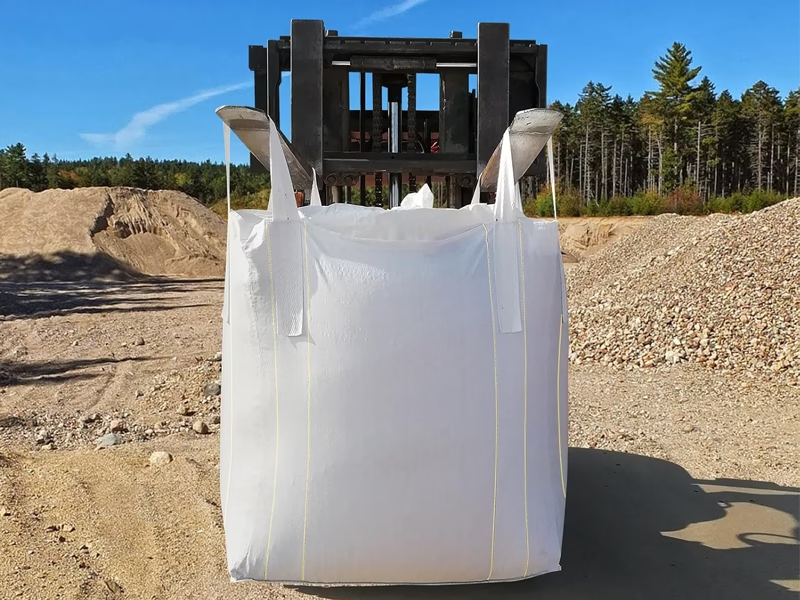
Flexible Intermediate Bulk Containers (FIBC,AKA Jumbo Bags ), commonly known as bulk bags or big bags, serve as a versatile solution for transporting and storing granular materials, powders, and other bulk products.
These bags are designed to carry heavy loads and are widely used across various industries, including construction, agriculture, food processing, and chemicals. The development of Jumbo Bags has significantly enhanced the efficiency of bulk material handling, allowing for easier movement and storage while optimizing space and reducing handling costs.
Jumbo Bags come in several types, distinguished by their design, dimensions, and specific features tailored to different applications. For instance, uncoated bags are typically used for non-hazardous dry products, while coated or specially treated Jumbo Bags are utilized for handling moisture-sensitive or hazardous materials. Additionally, auger bags are designed with a spout at the bottom for controlled discharging, and conductive bags are engineered to safely transport combustible materials by dissipating static electricity. This array of options allows businesses to select the most appropriate bag based on their requirements.
The versatility of Jumbo Bags is reflected in their broad applications—ranging from agricultural products like grains and fertilizers to industrial materials such as sand, cement, and chemicals. Their design enables safe stacking and transportation, thus providing a means to efficiently manage large quantities of materials without compromising on safety or quality.
However, to maximize the effectiveness and safety of Jumbo Bags, it is vital to understand and adhere to proper usage practices. This includes selecting the correct type of bag for the intended material, ensuring proper loading techniques, and adhering to weight limits. Mistakes made during the use of Jumbo Bags can lead to significant consequences, potentially jeopardizing the safety of personnel and the integrity of the goods being transported.
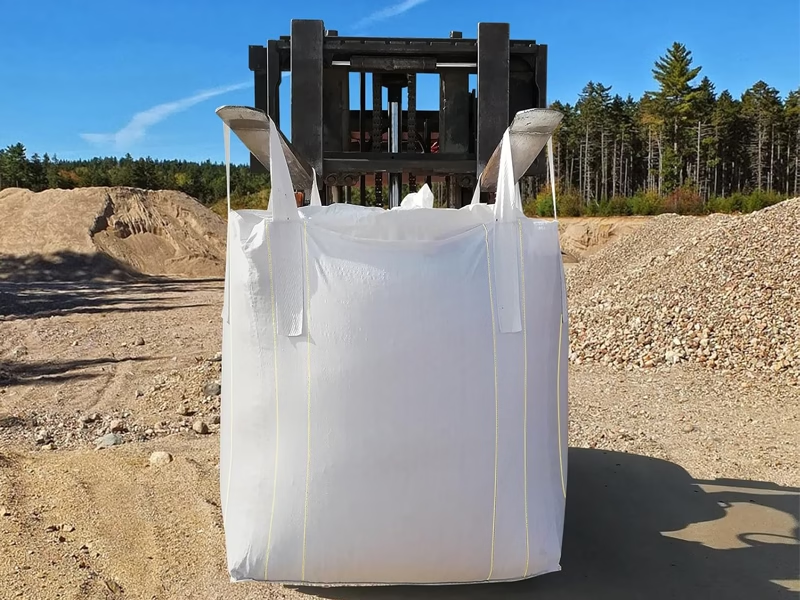
Flexible Intermediate Bulk Containers (FIBC) bags, commonly known as bulk bags, are designed to transport and store a variety of materials efficiently. However, selecting the wrong type of FIBC bag can lead to serious safety and performance issues. Understanding the different types of Jumbo Bags available is crucial when deciding which one will best suit your specific needs. There are several factors to consider, including the type of material being transported, the weight of the load, and the conditions under which the bags will be used.
One common mistake made by businesses is choosing Jumbo Bags based primarily on price rather than suitability. While it may be tempting to opt for the cheapest option available, this decision can backfire, particularly if the bags are not designed for the materials being handled. For instance, using a general-purpose FIBC for hazardous or fine powdered materials can pose risks, as it may not provide the necessary protection or stability. It is essential to match the specifications of the bag to the specific characteristics of the product, considering factors such as density, moisture sensitivity, and flowability.
Another aspect to consider is the various styles of Jumbo Bags, including those with lifting loops, conductive properties, or those designed with specific discharge mechanisms. Each type serves its unique purpose, and selecting a bag without understanding these functions may result in operational complications or safety hazards. Furthermore, incorrect usage of Jumbo Bags can lead to incidents during transportation or storage that might endanger personnel or damage the materials being shipped. Therefore, it is imperative to invest time in researching and selecting the right FIBC bag suitable for the intended application and specific material requirements.
Filling FIBC (Flexible Intermediate Bulk Container) bags correctly is crucial for both the safety and efficiency of the overall operation. One of the most common mistakes encountered in the filling process is overfilling, which can lead to structural damage to the bag. An overloaded FIBC may cause the seams to tear or the bag to burst, resulting in the loss of valuable contents and potential hazards in the workplace. To mitigate this risk, it is essential to follow the manufacturer’s recommended weight limits and ensure that the bag is filled uniformly to prevent stress concentrations.
Conversely, underfilling is another mistake that should be avoided. When Jumbo Bags are not filled to an appropriate level, this can lead to instability during transport and handling. An underfilled bag may collapse or topple, creating safety hazards for employees and machinery alike. It is advisable to monitor and adjust the filling operation to ensure optimal amounts are used, maintaining the balance between filling and weight distribution.
Moreover, using inappropriate machinery for the filling process can also result in complications. Standardizing the equipment used for filling Jumbo Bags is vital to achieving a consistent fill rate and minimizing operational downtime. Utilizing specialized filling machines that are designed for Jumbo Bags can improve both speed and accuracy, ultimately leading to higher productivity levels.
To adhere to best practices, it is recommended that companies regularly train their staff on the correct filling techniques and the importance of adhering to specified weight limits. This can significantly reduce the risk of damages and ensure safe handling. By implementing the right procedures and utilizing suitable machinery, organizations can enhance their operational efficiency while safeguarding the integrity of Jumbo Bags and their contents.
When utilizing Flexible Intermediate Bulk Containers (FIBC) bags, adherence to specified weight limits and industry safety standards is paramount. Jumbo Bags are designed with particular capacity constraints that ensure their structural integrity and safe handling. Overloading these bags can lead to catastrophic failures, including ruptures or spills, which pose significant safety risks to workers and the surrounding environment. It is crucial to recognize that each FIBC bag is rated according to its maximum allowable weight, typically indicated on the bag itself, and following these guidelines is essential for safe operation.
Neglecting these weight limits can result in injuries, particularly in heavy industry settings where workers are required to lift or maneuver loaded bags. An overloaded bag is not only more difficult to handle but also increases the likelihood of accidents and injuries. Additionally, failure to comply with established safety standards may result in regulatory repercussions, which can lead to fines, increased insurance premiums, and potential legal actions. It is essential to educate all personnel involved in the handling of Jumbo Bags on the importance of these limits.
To ensure compliance, organizations should implement strict procedures for weighing Jumbo Bags before and during use. It is advisable to regularly review and follow guidelines set forth by industry standards organizations, ensuring that bags are tested and rated for the type of materials being stored and transported. Investing in proper training programs for employees can greatly enhance workplace safety and efficient operational practices. Furthermore, regularly scheduled evaluations of the condition of Jumbo Bags can help identify signs of wear or damage, preventing potential failures before they occur. Establishing a culture of safety surrounding FIBC bag usage is not only beneficial for regulatory compliance but is ultimately vital for the well-being of employees and the efficiency of operations.
Handling and transporting FIBC (Flexible Intermediate Bulk Containers) bags can be challenging, and numerous mistakes can lead to accidents or product damage. One prevalent error is the improper lifting technique used when moving these bags. It is crucial for employees to be trained in proper lifting methods to prevent injuries. When lifting Jumbo Bags, workers should bend at their knees and keep the load close to their body, engaging their leg muscles rather than their back. This not only minimizes the risk of personal injury but also ensures the integrity of the bags themselves.
Another common mistake occurs during the stacking of Jumbo Bags. It is important to stack these bags in a stable manner; they should never be positioned in a pyramid or unstable formation. Instead, they should be stacked straight with their sides flush against one another, ensuring that the weight is evenly distributed. This method minimizes the likelihood of bags toppling over, which can lead to accidents and damage to the contents within. Additionally, it is advisable to avoid overstacking, as exceeding the recommended height can compromise the stability of the stack.
Transportation of Jumbo Bags also requires careful consideration to avoid mishaps. For example, securing the bags during transit is vital. Employing the use of straps or nets can safeguard the bags from shifting while in transit. Moreover, it is important to transport the bags in a manner that prevents exposure to excessive heat or sharp objects, which can compromise their structural integrity. Employee training programs should incorporate best practices for handling and transportation, ensuring that all personnel understand the importance of following these guidelines to mitigate risks associated with FIBC bag use.
When utilizing Flexible Intermediate Bulk Containers (Jumbo Bags), a frequent oversight is the disregard for environmental conditions. Jumbo Bags, which are designed for the safe transport and storage of various materials, can be significantly affected by their surroundings. Temperature fluctuations, excessive humidity, and prolonged exposure to sunlight can all compromise the structural integrity of these bags, leading to potential failures during usage.
One common mistake is storing Jumbo Bags in areas where temperatures exceed the manufacturer’s recommendations. Elevated temperatures can cause certain materials to deform or degrade, making them unsuitable for use. On the other hand, extreme cold can lead to brittleness, potentially resulting in tearing. In addition, high humidity can introduce moisture into the bags, especially when they are not adequately sealed, leading to chemical reactions with the contents or fostering the growth of mold, depending on the material being stored.
Another factor to consider is exposure to sunlight. Many Jumbo Bags are manufactured with UV-stabilized materials to extend their lifespan; however, continuous exposure to direct sunlight can still accelerate degradation and affect the mechanical properties of the bag. Therefore, it is advisable to store them in shaded or indoor areas where they are protected from the sun’s harmful rays.
To ensure optimal conditions for Jumbo Bags, organizations should regularly monitor the environment in which they are stored or used. Implementing measures such as temperature and humidity control, and using protective coverings can greatly enhance the longevity and effectiveness of these bags. By considering these environmental factors, users can prevent the common mistakes associated with the mismanagement of Jumbo Bags, leading to safer and more efficient operations.
Regular inspection of Flexible Intermediate Bulk Containers (FIBCs) is crucial for maintaining their integrity and ensuring safe handling of bulk materials. Jumbo Bags are subjected to various environmental conditions and mechanical stresses that can lead to wear and tear over time. Neglecting to perform routine checks can result in undetected damages that may compromise the bag’s strength and functionality. Common oversight areas during inspections include evaluating the seams, check for punctures, and assessing general bag condition. These factors are essential in determining whether a bag is still suitable for use.
As Jumbo Bags are often used to store and transport hazardous materials, the potential consequences of using damaged bags are severe. A compromised FIBC can lead to spills, which may not only create financial loss but also pose serious safety hazards to workers and the surrounding environment. Additionally, there are regulatory implications in industries such as food, pharmaceuticals, and chemicals, where compromised containers can lead to contamination or breaches in safety standards. Companies that ignore the importance of regular inspections risk facing legal repercussions and damage to their reputation.
Implementing a routine inspection protocol is essential for prolonging the lifespan of Jumbo Bags and ensuring operational safety. Establishing a schedule for inspections, such as before each use or periodically during storage, encourages proactive identification of issues. Key activities in the inspection process should include checking for visible signs of wear, ensuring proper stitching and seam integrity, and verifying that the bag is free from foreign materials. By prioritizing these routine checks, businesses can significantly reduce the risks associated with inadequate bag maintenance, enhancing both safety and efficiency in operations.
Effective communication is a critical component in the safe and efficient handling of Flexible Intermediate Bulk Containers (FIBC bags). Miscommunication between team members can lead to significant operational challenges and safety hazards. One of the primary issues is the lack of proper training on the best practices for using and handling these bags, which can consequently result in accidents or product loss.
In many work environments, teams often overlook the importance of discussing the specific protocols associated with Jumbo Bags. Without clear communication, employees may inadvertently use the bags incorrectly, leading to leaks, spills, or the structural failure of the bags themselves. Each team member should be well-versed in the particular requirements for the Jumbo Bags in their use case, including loading procedures, weight limitations, and proper storage techniques. Consistent training sessions and regular refresher courses can help ensure that everyone remains informed about the latest safety practices.
Another contributing factor is the inconsistency in terminology used among team members. Different departments may use varying terms that refer to the same processes or equipment, which can lead to confusion. Establishing a standardized glossary of terms related to Jumbo Bags can facilitate clearer communication. This glossary should be readily accessible to all team members, promoting a shared understanding of procedures and responsibilities.
Employing a collaborative approach to handling Jumbo Bags encourages open dialogue among team members. Regular meetings to discuss challenges encountered and successes achieved in the use of Jumbo Bags can foster a culture of transparency and continuous improvement. By actively encouraging feedback and addressing any communication barriers, organizations can significantly reduce the likelihood of mistakes associated with Jumbo Bags, enhancing both safety and efficiency.
In the realm of bulk material handling, Jumbo Bags are invaluable tools, yet several common mistakes can hinder their effectiveness. To ensure safe and efficient use of these flexible intermediate bulk containers, awareness of these pitfalls is crucial. Key mistakes often made include overloading the bags, improper storage conditions, and neglecting to select the right type of FIBC for specific applications. Each of these errors not only compromises the integrity of the bag but can also pose safety risks to personnel and damage to materials.
To mitigate these risks, companies should adopt a series of best practices when utilizing Jumbo Bags. First, always adhere to the specified weight limits outlined by the manufacturer to avoid overloading. It is vital to weigh the contents before filling the bags to ensure compliance with safety standards. Additionally, proper storage conditions must be maintained; Jumbo Bags should be kept away from direct sunlight, moisture, and extreme temperatures to prevent material degradation and extend the lifespan of the bags.
Furthermore, selecting the appropriate type of FIBC bag is essential. With various styles available, including baffled and unbaffled options, it is important to match the bag design to the specific material being handled. Regular training for personnel involved in filling, handling, and transporting Jumbo Bags is another critical step. Ensuring that team members are familiar with best practices for loading and unloading will provide additional safety and efficiency.
In conclusion, assessing existing procedures and implementing these best practices can dramatically enhance the efficacy of Jumbo Bags. By remaining vigilant against common mistakes and fostering a culture of safety and compliance, organizations can safeguard both their materials and personnel while optimizing their bulk handling processes.
ApexFIBC is a top manufacturer of FIBC bulk bags. Every single one of our bags is made to be strong, clean and easy to track. Every part of this product has been carefully designed. The woven polypropylene fabric is used for the top part, and the final stitched loops are the last part to be made.
Our team is very happy to have helped customers in the chemicals, agriculture, food ingredients, minerals, and construction materials industries. We helped them choose the right design, whether it’s a standard 1-ton bag, a Type C conductive bag, or a custom baffle model for container loading.
We don’t just sell ton bags, we sell the best ton bags! We’re here to solve your handling problems, reduce waste, and make your supply chain run even smoother.
ApexFIBC is the only company you need to consider for bulk packaging, because it just keeps on performing, day in, day out!