Address
Universe Star, Shangding Road, Zhengzhou, Henan
Email
[email protected]


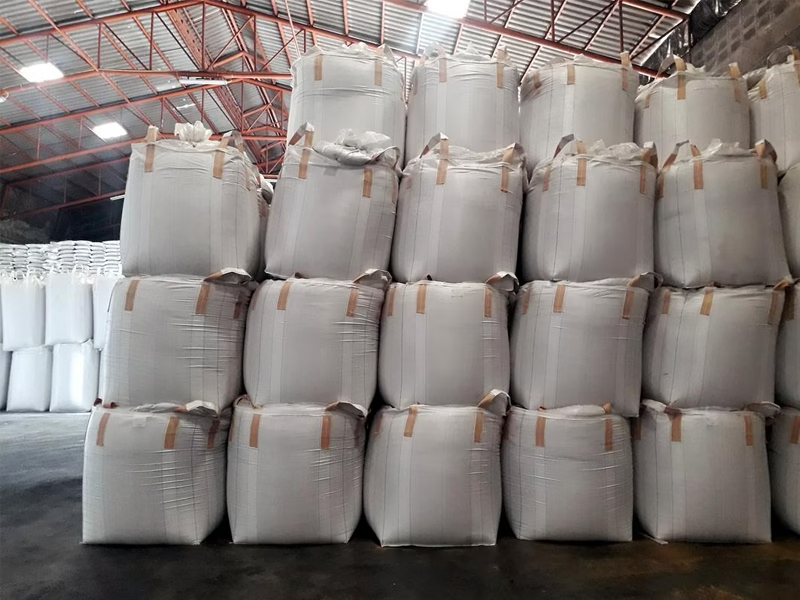
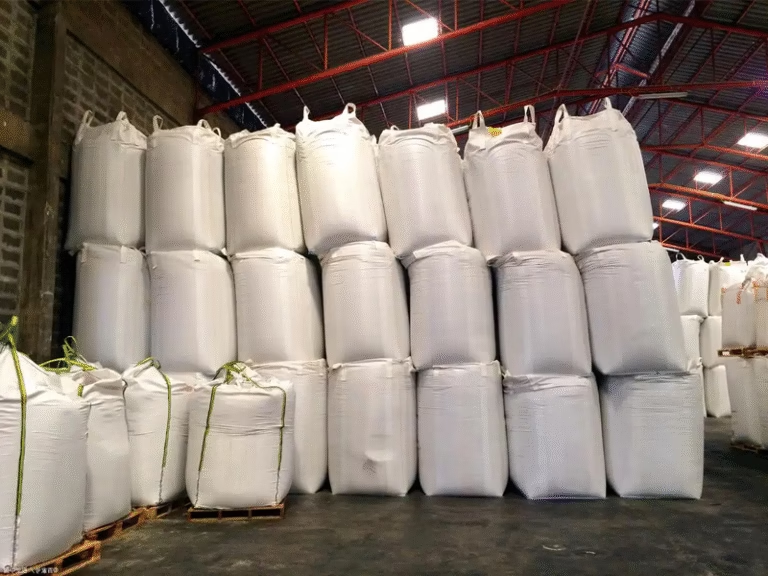
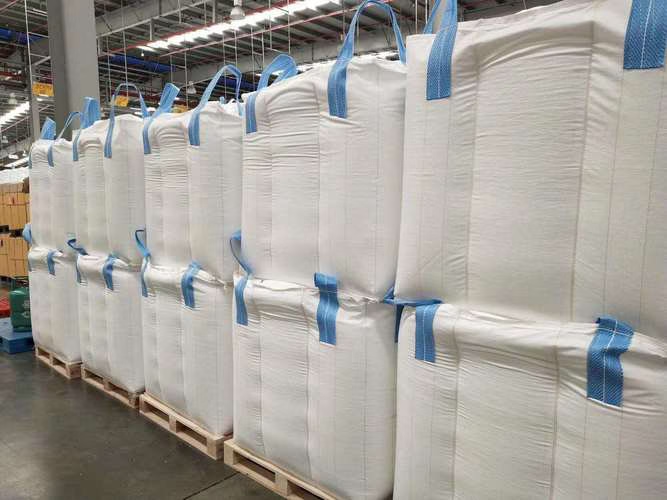
FIBC Bulk Bags, also known as Flexible Intermediate Bulk Container, are the superstars of the logistics and transportation sectors! Manufacturers specially design these amazing bulk bags to store and move bulk materials with ease, making them the go-to solution for efficiency and success.
They make these fantastic bags from durable, lightweight polypropylene fabric, making them perfect for holding all your shopping. Manufacturers offer FIBC bags in a fantastic range of styles and sizes, perfect for meeting the diverse needs of industries such as agriculture, chemicals, food processing, and construction.
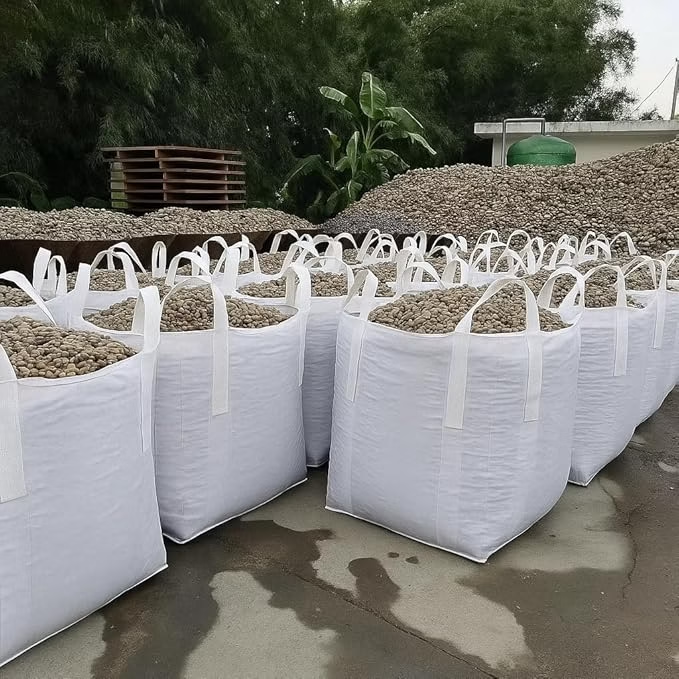
FIBC bulk bags are amazing! They make it so easy to handle and transport powdered, granular, or bulk-solid material safely.
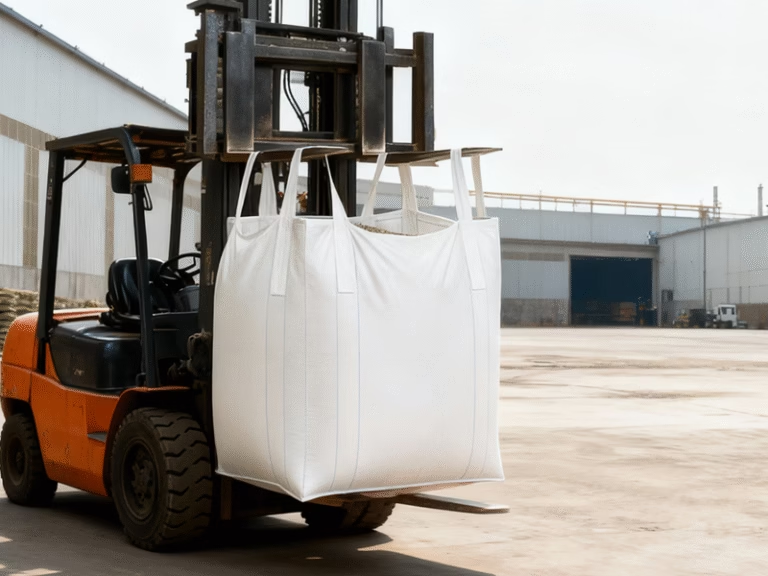
Their innovative design incorporates features that make them a breeze to use, including filling and discharge spouts, as well as lifting loops, which allow you to handle them with forklifts or cranes with ease.
These incredible bulk containers are so versatile! They can store a wide range of materials, from fertilisers and grains to aggregates and industrial chemicals.
It’s so important to follow safety standards when using FIBC bulk bags! Not only do they have to be able to resist various environmental conditions, but they also have to be able to resist potential hazards during transport.
Manufacturers often engineer these bags to meet specific requirements, such as static electricity discharge in certain applications, making them incredibly versatile.
This is a game-changer for industries dealing with flammable or combustible materials, as it ensures the safe transportation of their products.
As we delve deeper into the different types of FIBC bulk bags—namely Type A, B, and C—it becomes apparent that each type serves a unique purpose.
Understanding their distinct attributes is vital for selecting the right option for specific applications, and this will enhance operational efficiency in bulk material handling.
I’m thrilled to tell you that FIBC bulk bags can be grouped into one of four categories: A, B, C, and D! These categories relate to the safety credentials of FIBCs, making them the perfect choice for your needs. When bags are filled and discharged, the movement of stored contents can lead to static electricity building up, which is a pretty cool phenomenon! Working with combustible and flammable materials or in extreme environments? Then you’ll definitely need to use the right type of FIBC bag! This will make sure you’re always working as safely as possible.
Manufacturers make Type A FIBC bulk bags from polypropylene, making them lightweight and durable. They offer no protection against static electricity, which is great for those working in hazardous environments where safety is a priority. These bags are just perfect for non-hazardous materials! But please remember, never use them around flammable gases or combustible materials.
Primary Uses for Type A FIBCs:
Do NOT use for:
Type B FIBC bags are amazing! Manufacturers make them from materials with low breakdown voltage, which prevents propagating brush discharges, so they don’t dissipate static electricity. The great thing about these is that they are not fully antistatic, which is fantastic news! Flammable vapours present a small fire risk, but users can easily avoid it by being aware of the situation.
Primary Uses for Type B FIBCs:
Do NOT use for:
Manufacturers make Type C FIBC bags, also known as electrically conductive or groundable bags, from polypropylene interwoven with conductive yarns in a grid pattern. The combination of these interconnected yarns and a ground connection ensures safety, making them ideal for transporting flammable powders.
Primary Uses for Type C FIBCs:
Do NOT use for:
Manufacturers make Type D FIBC bags from antistatic fabric, making them static dissipative. This offers protection against sparks and brush charges without needing a ground connection. Manufacturers often construct these bags using CHROHMIQ fabric, which eliminates grounding failure concerns, making them highly reliable.
Primary Uses for Type D FIBCs:
Do NOT use for:
Flexible Intermediate Bulk Containers (FIBCs), also known as bulk bags, are absolutely vital for the safe handling and transportation of bulk materials across various industries. It’s so important to make sure they’re safe and reliable, which is why there are several standards and certifications in place to govern their use.
We are thrilled to share that one of the most recognised standards is the ISO 21898. This fantastic standard outlines the performance requirements and testing methods to ensure FIBC bags meet specific safety criteria. This standard is your guarantee that the bags have the necessary strength and durability for safe material handling.
In addition to ISO standards, manufacturers must ensure FIBC bags designed to carry hazardous materials comply with the United Nations (UN) certification, which is a fantastic way to ensure the highest standards in the industry!
This certification is great news as it means testing organizations put the bags through stringent testing to assess their ability to withstand potential environmental impacts during transportation and storage. The UN certification process is super thorough, covering all the bases with drop tests, stacking tests, and pressure tests. This awesome process makes sure that the FIBC can safely contain materials without any risk of leakage or rupture.
Manufacturers also enhance FIBC safety by using standardised labels and markings that indicate compliance with the respective safety standards. These handy labels tell you all you need to know about how to use the bag, how much you can carry, and what to do to ensure you handle it safely. Take, for instance, a FIBC that manufacturers mark with “Type A.” This indicates that manufacturers design it for non-conductive materials. On the other hand, customers use “Type B” and “Type C” bags in more specialised applications where electrostatic hazards may exist.
Adhering to these safety standards and certifications is not only a sure-fire way to ensure compliance with regulatory requirements, but also a fantastic way to promote the safe use of FIBC bags across various industrial sectors.
The good news is that as industries continue to prioritise safety and efficiency, understanding and implementing these standards is becoming easier than ever before.
When selecting the right type of flexible intermediate bulk container (FIBC) bag, it’s essential to consider various factors that impact functionality and safety. The first thing to consider is the type of load. Whatever your needs, we have the perfect FIBC design for you! Whether you’re dealing with granules, powders, or liquids, we’ve got you covered. Take dry powders, for instance. It’s vital to choose a bag with the perfect discharge capabilities and a secure closure. The great thing about liquids is that you can simply use a bag with the right kind of lining to stop them seeping!
Another critical factor is the weight of the load. FIBC bulk bags are amazing! They come in different weight ratings, depending on their design and construction materials. It’s so important to never overload a bag! Otherwise, you might end up with some pretty embarrassing results when it comes to transportation or storage.
So, it’s really important to know exactly how much stuff you’ve got to choose the right bag for you. What’s really exciting is that we can also take into account environmental factors such as humidity and temperature! The great thing is that certain materials used in FIBC bulk bags are more resistant to specific conditions, making it vital to select a bag that can withstand the storage conditions of the intended environment.
When it comes to handling and storage, the key to making your FIBC bulk bags last is to follow the right techniques! When filling or emptying FIBC bulk bags, it is recommended to do so gently. This will help to avoid sharp objects that may puncture the bag. Storing your FIBC bulk bags is a breeze! Just make sure you store them in a clean, dry area, away from direct sunlight and extreme temperatures, and you’re all set to prevent degradation of the material.
The best thing about regular inspections is that they help you to identify potential issues before they escalate. These best practices are the key to making FIBC bag usage even safer and more efficient! Not only that, but they’ll also make them last much longer.
The future of the Flexible Intermediate Bulk Container (FIBC) bag industry is going to be amazing! We can expect to see fantastic advancements in materials, a focus on sustainability, and incredible new safety features. The good news is that as industries continue to look for efficient and safe ways to transport bulk materials, manufacturers are coming up with exciting new innovations in the materials used in FIBC bags. And that’s not all – we’re also developing lighter, stronger fabrics that not only improve durability but also reduce transportation costs due to lower weight.
It’s so exciting to see the move towards eco-friendly options! It’s so great to see that, as more and more people become aware of environmental issues, many FIBC manufacturers are now using biodegradable and recycled materials for their products. These sustainable alternatives are amazing! Not only do they minimise environmental impact, but they also meet the regulatory requirements that customers are increasingly concerned about. The demand for eco-friendly FIBC bulk bags is set to skyrocket in the coming years, making a real difference to purchasing decisions across various sectors.
I’m thrilled to tell you that, as well as these amazing advancements, the industry is also focusing on enhancing safety and efficiency! It’s so exciting to see innovations like anti-static properties, UV stabilization, and improved seam construction being integrated into FIBC design. This is making it so much safer to handle and store hazardous materials. I’m thrilled to tell you that digital technologies such as smart tags and tracking systems are being introduced to enhance the supply chain management of bulk bags. These amazing features are a game-changer! Not only do they keep an eye on the condition of the bags while they’re on the move, but they also make sure we’re totally on the safe side.
The latest trends in the FIBC bulk bags industry are incredibly exciting! There’s a growing emphasis on sustainability, safety and efficiency, which is great news for everyone. As users become more aware of these amazing advancements, their choices are going to have a huge impact on the market, leading to a more adaptable and environmentally responsible industry.
We are delighted to share the exciting news about the various types of FIBC (Flexible Intermediate Bulk Container) bags – specifically Types A, B, and C. It is essential to recognise the distinct characteristics and applications of each type, which will no doubt be of great interest to all. Type A bags are non-conductive and perfect for general dry goods, while Type B bags are specially designed to limit the propagation of fire and are ideal for hazardous materials. Type C bags are amazing! They offer extra safety by being electrically conductive, which makes them perfect for dealing with flammable substances or environments where static build-up is a risk.
Choosing the right FIBC bulk bags is absolutely key to making sure you’re both safe and efficient. Businesses should assess their specific requirements, including the nature of the material to be stored or transported, the environmental conditions, and the regulatory standards applicable to their industry. By aligning these factors with the appropriate bag type, companies can minimise risks associated with static discharge, fire hazards, and material contamination.
And if you need any advice at all, you can always get in touch with the suppliers or manufacturers who specialise in FIBC bulk bags. They’ll be able to give you tailored advice based on your individual needs. These experts can provide invaluable insights into the latest innovations in bag materials and designs, which can enhance safety and cost-effectiveness. It is so important for organisations to conduct routine assessments of their FIBC usage! This is the best way to ensure compliance with safety standards and to explore opportunities for improvements in their logistics and supply chain processes.
The most important thing to remember is that choosing the right FIBC bulk bags can make a huge difference in terms of safety and efficiency. By making informed decisions regarding the type of FIBC used, businesses can optimise their supply chain management and mitigate potential hazards effectively.
ApexFIBC is a top manufacturer of FIBC bulk bags. Every single one of our bags is made to be strong, clean and easy to track. Every part of this product has been carefully designed. The woven polypropylene fabric is used for the top part, and the final stitched loops are the last part to be made.
Our team is very happy to have helped customers in the chemicals, agriculture, food ingredients, minerals, and construction materials industries. We helped them choose the right design, whether it’s a standard 1-ton bag, a Type C conductive bag, or a custom baffle model for container loading.
We don’t just sell ton bags, we sell the best ton bags! We’re here to solve your handling problems, reduce waste, and make your supply chain run even smoother.
ApexFIBC is the only company you need to consider for bulk packaging, because it just keeps on performing, day in, day out!